


Discover the Pilates Class Benefits: Why You Should Try Pilates Classes
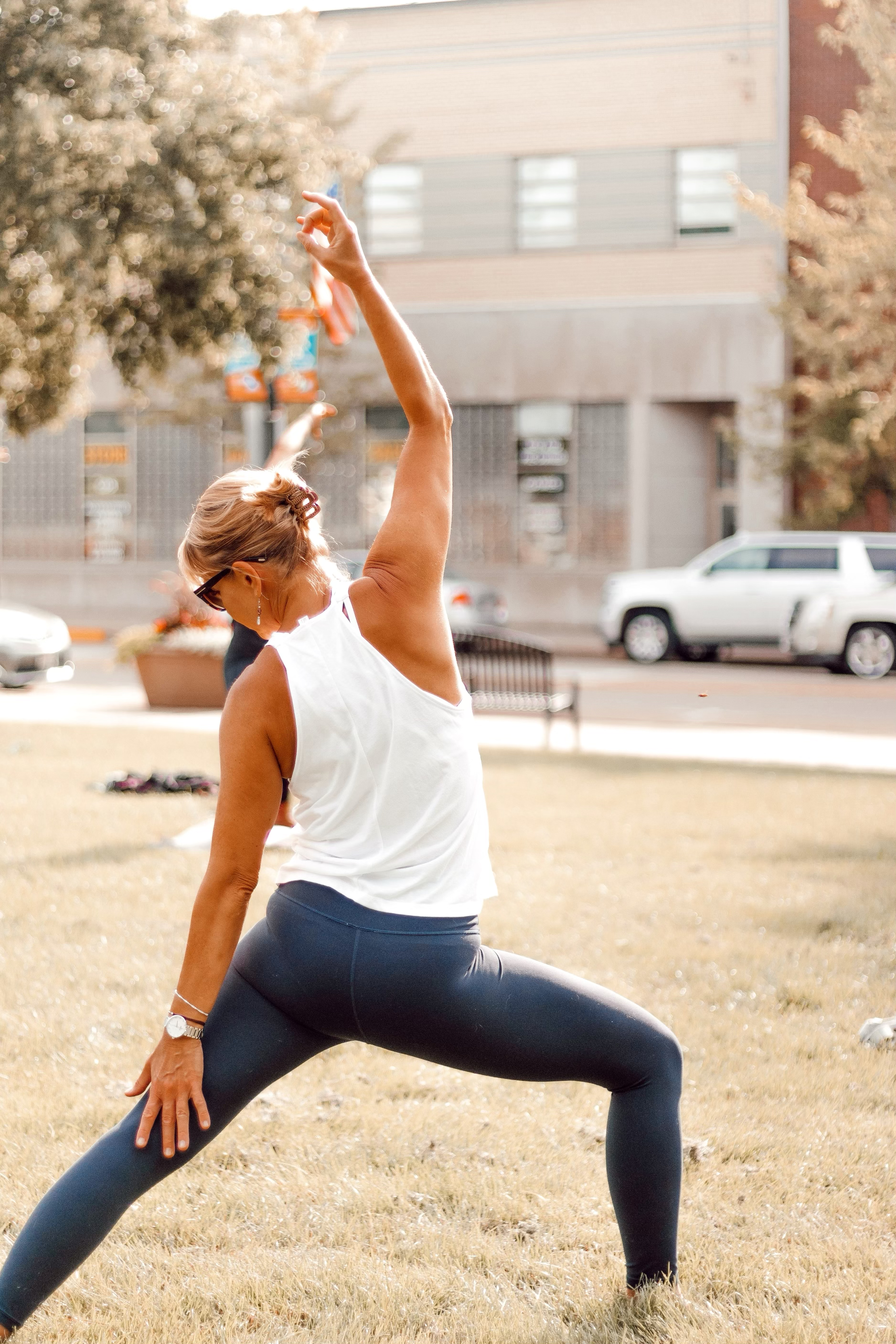
Pilates has become a popular fitness choice for many people looking to improve their overall health and well-being. This exercise method offers a unique blend of strength, flexibility, and mindfulness that can transform your body and mind. If you have been considering a new workout routine, exploring the pilates class benefits might just convince you to give it a try.
The Key Pilates Class Benefits for Your Body and Mind
Pilates is more than just a workout; it is a holistic approach to fitness that targets multiple aspects of your health. Here are some of the most notable benefits you can expect from regular Pilates practice:
Improved Core Strength: Pilates focuses heavily on strengthening the core muscles, including the abdominals, lower back, hips, and pelvis. A strong core supports better posture and reduces the risk of injury.
Enhanced Flexibility: The controlled movements in Pilates help lengthen muscles and increase joint mobility, making your body more flexible and agile.
Better Posture: Pilates encourages awareness of body alignment, which can correct poor posture habits developed over time.
Increased Muscle Tone: Unlike traditional weightlifting, Pilates tones muscles without adding bulk, giving you a lean and sculpted appearance.
Stress Reduction: The mindful breathing and concentration required during Pilates sessions promote relaxation and reduce stress levels.
Improved Balance and Coordination: Pilates exercises challenge your balance and coordination, which is especially beneficial as you age.
These benefits combine to create a workout that not only shapes your body but also enhances your mental clarity and emotional well-being.

What is the Pilates Class?
A Pilates class is a structured session led by a certified instructor who guides participants through a series of exercises designed to improve strength, flexibility, and body awareness. Classes can vary in style and intensity, but they generally include:
Mat Pilates: Performed on a mat using body weight for resistance. This style is accessible and requires minimal equipment. With our very own Jamie.
During a typical class, you will focus on controlled movements, precise breathing, and maintaining proper alignment. The instructor will often modify exercises to suit different fitness levels and any physical limitations.
How Pilates Classes Can Fit Into Your Fitness Routine
Incorporating Pilates into your weekly schedule can complement other forms of exercise or serve as a standalone workout. Here are some practical tips on how to make Pilates work for you:
Start Slow: If you are new to Pilates, begin with beginner classes to learn the fundamentals and avoid injury.
Consistency is Key: Aim for at least two to three sessions per week to experience noticeable benefits.
Combine with Cardio: Pilates pairs well with cardiovascular activities like walking, running, or cycling for a balanced fitness regimen.
Use Pilates for Recovery: After intense workouts, Pilates can help stretch and strengthen muscles, aiding in recovery.
Listen to Your Body: Modify exercises as needed and communicate with your instructor about any discomfort or limitations.
By integrating Pilates thoughtfully, you can enhance your overall fitness and enjoy a more balanced, injury-free lifestyle.

Who Can Benefit Most from Pilates?
One of the great things about Pilates is its adaptability. It is suitable for people of all ages and fitness levels. Here are some groups who may find Pilates especially beneficial:
Office Workers: Pilates helps counteract the effects of prolonged sitting by strengthening the core and improving posture.
Athletes: It enhances flexibility, balance, and muscle control, which can improve performance and reduce injury risk.
Seniors: Pilates supports joint health, balance, and mobility, helping older adults maintain independence.
Pregnant Women: Modified Pilates exercises can strengthen pelvic floor muscles and improve posture during pregnancy.
Rehabilitation Patients: Pilates is often used in physical therapy to aid recovery from injuries by promoting gentle strengthening and flexibility.
No matter your background or fitness goals, Pilates offers a safe and effective way to improve your physical and mental health.
Tips for Choosing the Right Pilates Class
Finding the right Pilates class can make a big difference in your experience and results. Here are some factors to consider when selecting a class:
Instructor Credentials: Look for certified instructors with experience and positive reviews.
Class Size: Smaller classes allow for more personalized attention and corrections.
Class Style: Decide if you prefer mat or reformer Pilates based on your goals and access to equipment.
Location and Schedule: Choose a convenient location and class times that fit your routine.
Trial Classes: Many studios offer trial sessions or drop-in classes so you can test the environment and teaching style.
Taking the time to find a class that suits your needs will help you stay motivated and get the most out of your Pilates practice.
If you are ready to experience the transformative effects of Pilates, consider signing up for pilates classes today. With consistent practice, you will enjoy improved strength, flexibility, and overall well-being.
Start your Pilates journey now and discover a healthier, more balanced you!


Comments